Electric Smoker vs Propane Smoker: Key Differences

Affiliate disclosure: Some links on this page are affiliate links. If you buy through them we earn a small commission at no extra cost to you. This never influences which products we recommend — we only suggest things we'd buy ourselves. Product prices and availability are accurate as of the date published and are subject to change. Always check Amazon for current pricing before purchasing. Learn more.
Quick Picks
Masterbuilt 40-inch ThermoTemp Propane Gas Vertical BBQ Smoker with Analog Temperature Control and 960 Cooking Square Inches in Black, Model MB20051316
Large 960 square inch cooking surface accommodates substantial meat quantities
Buy on AmazonMasterbuilt MPS 230S Propane Smoker, 30" , Black
30-inch capacity provides substantial smoking space for large gatherings
Buy on AmazonPropane Smoker with Cover, Vertical Meat Gas Smoker Grill Outdoor Heavy Duty 3 Removable Smoking Racks, Black
Three removable smoking racks provide substantial capacity for multiple meats
Buy on Amazon| Product | Price Range | Top Strength | Key Weakness | Buy |
|---|---|---|---|---|
| Masterbuilt 40-inch ThermoTemp Propane Gas Vertical BBQ Smoker with Analog Temperature Control and 960 Cooking Square Inches in Black, Model MB20051316 best overall | Large 960 square inch cooking surface accommodates substantial meat quantities | Propane fuel requires ongoing refills and tank management | Buy on Amazon | |
| Masterbuilt MPS 230S Propane Smoker, 30" , Black also consider | 30-inch capacity provides substantial smoking space for large gatherings | Propane smokers require fuel refills and tank management | Buy on Amazon | |
| Propane Smoker with Cover, Vertical Meat Gas Smoker Grill Outdoor Heavy Duty 3 Removable Smoking Racks, Black also consider | Three removable smoking racks provide substantial capacity for multiple meats | Propane fuel requires regular tank refills and ongoing fuel costs | Buy on Amazon | |
| Pit Boss 3-Series Gas Vertical Smoker, Red Hammertone - 10773 also consider | Pit Boss is established brand in smoker category | Gas-fired vertical smokers require propane refills and monitoring | Buy on Amazon |
Electric smokers run on an outlet. Propane smokers run on a tank. That hardware difference ripples into everything , how you manage heat, where you can set up, what you pay to keep it running, and how much the learning curve costs you. If you’re buying your first smoker or replacing one that didn’t fit your actual life, it’s worth understanding the tradeoff before you click anything. The full range of propane smokers is worth browsing once you know which direction you’re leaning.
The core question isn’t which fuel is objectively better. It’s which one fits your setup , your outlet access, your storage space, your tolerance for fiddling with valves versus apps. I’ve spent enough time reading spec sheets and burning through weekends on the patio to know that most buyers overcomplicate this choice. Here’s how to simplify it.
What to Look For in an Electric vs. Propane Smoker
Temperature Control and Consistency
Electric smokers win this comparison on paper. A digital controller cycles the heating element on and off to hold a set temperature, often within ten degrees of your target without any intervention. That precision matters for long cooks , brisket, pork shoulder, anything that needs ten or twelve hours at a stable 225°F. If you want to set it and check back after a nap, electric is more forgiving.
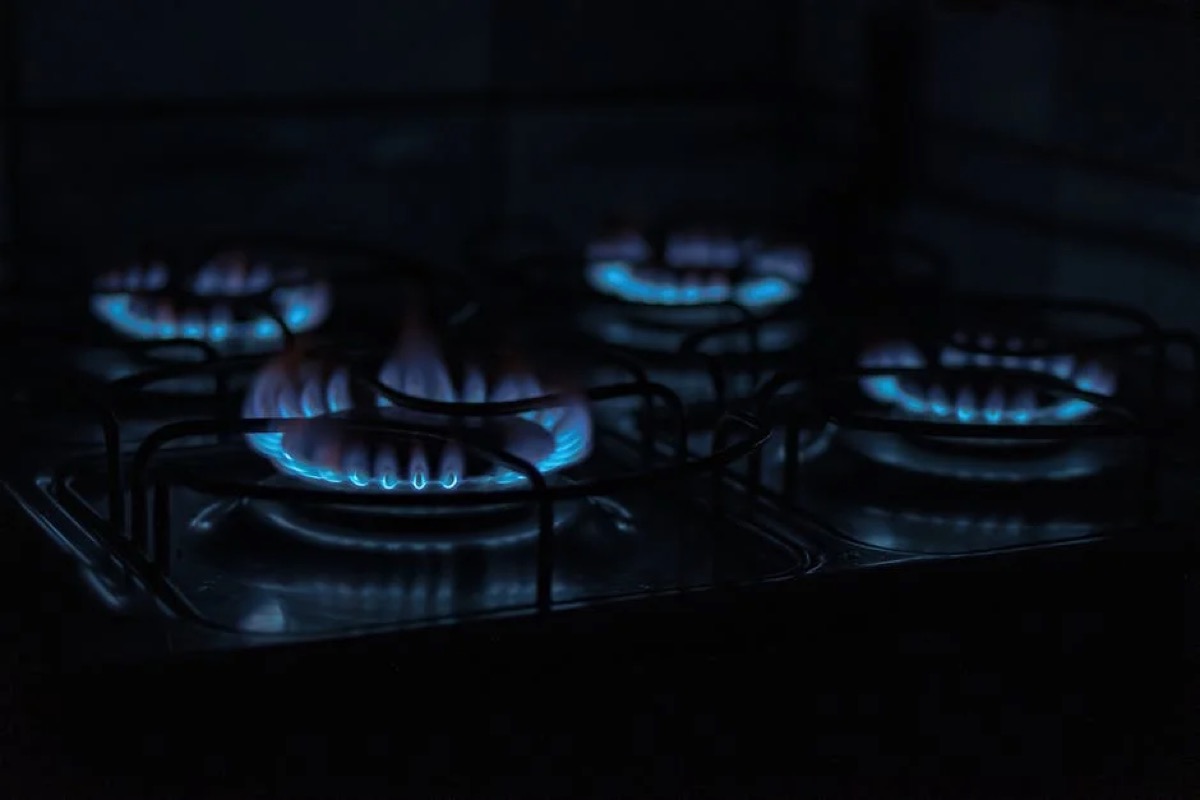
Propane smokers require more active management. The valve controls fuel flow, which controls heat, but outdoor conditions , wind, ambient temperature, how full the tank is , all affect the relationship between valve position and actual cook temperature. That variability isn’t unmanageable, but it’s real. Experienced propane smokers develop a feel for it. Beginners should expect a steeper early curve.
That said, propane typically runs hotter than electric and can hit higher temperatures more quickly. If you smoke chicken thighs regularly and want skin that doesn’t turn out rubbery, propane’s higher ceiling is genuinely useful.
Fuel Logistics and Operating Costs
Electric plugs into a standard 120V outlet. If your patio has outdoor power, you’re done. If it doesn’t, you’re running an extension cord or rethinking your setup. Electric fuel cost is low , a typical session adds a few dollars to your electric bill.
Propane runs anywhere you can carry a tank. That portability is real, and it matters if your smoking spot is away from the house or if you camp or tailgate with your smoker. The tradeoff is that tanks run out, often at inconvenient moments, and you need to budget for refills. A standard 20-pound tank gets you several long cooks before it needs swapping, but the ongoing cost adds up over a season.
Neither fuel is dramatically more expensive than the other in most regions. The more important variable is convenience , which logistics system fits how you actually live.
Capacity and Footprint
Both electric and propane smokers come in vertical cabinet designs that maximize rack space while keeping the footprint compact. The smoking surface area matters more than the fuel type here. A 40-inch vertical smoker, propane or electric, will hold considerably more meat than a 30-inch model, and vertical designs generally let you smoke multiple cuts simultaneously without much airflow penalty.
What changes with fuel is the physical footprint beyond the unit itself. Electric smokers have a cord. Propane smokers have a tank that typically sits beside or below the unit , plan for that additional space. If you’re working with a small deck or a tight HOA setup, the tank placement is worth thinking through before you buy. Browsing the full selection of gas-fired vertical options will show you how much the tank-to-unit relationship varies by model.
Build Quality and Durability
Both fuel types are available at budget, mid-range, and premium price points. The correlation between price and longevity is stronger than the correlation between fuel type and longevity. What to look for regardless of fuel: door seal quality (gaps bleed heat and smoke), rack material (chrome-plated racks rust faster than stainless), and the thickness of the steel walls (thinner walls struggle in cold weather).
Propane smokers generally have fewer electronic components to fail. A burner and a regulator have fewer potential failure points than a digital controller, a heating element, and a temperature probe. That simplicity is a genuine durability argument for propane, especially if the smoker will live outside year-round.
Top Picks
Masterbuilt 40-Inch ThermoTemp Propane Smoker
The Masterbuilt 40-inch ThermoTemp Propane Gas Vertical Smoker earns the top spot here for one specific reason: 960 square inches of cooking surface is a lot of space, and Masterbuilt built a propane cabinet that fills it without making the temperature management exotic. The analog ThermoTemp system uses a thermostat-style control rather than a simple valve , it’s designed to hold temperature more consistently than a bare valve setup, which narrows the gap between propane and electric in real-world use.
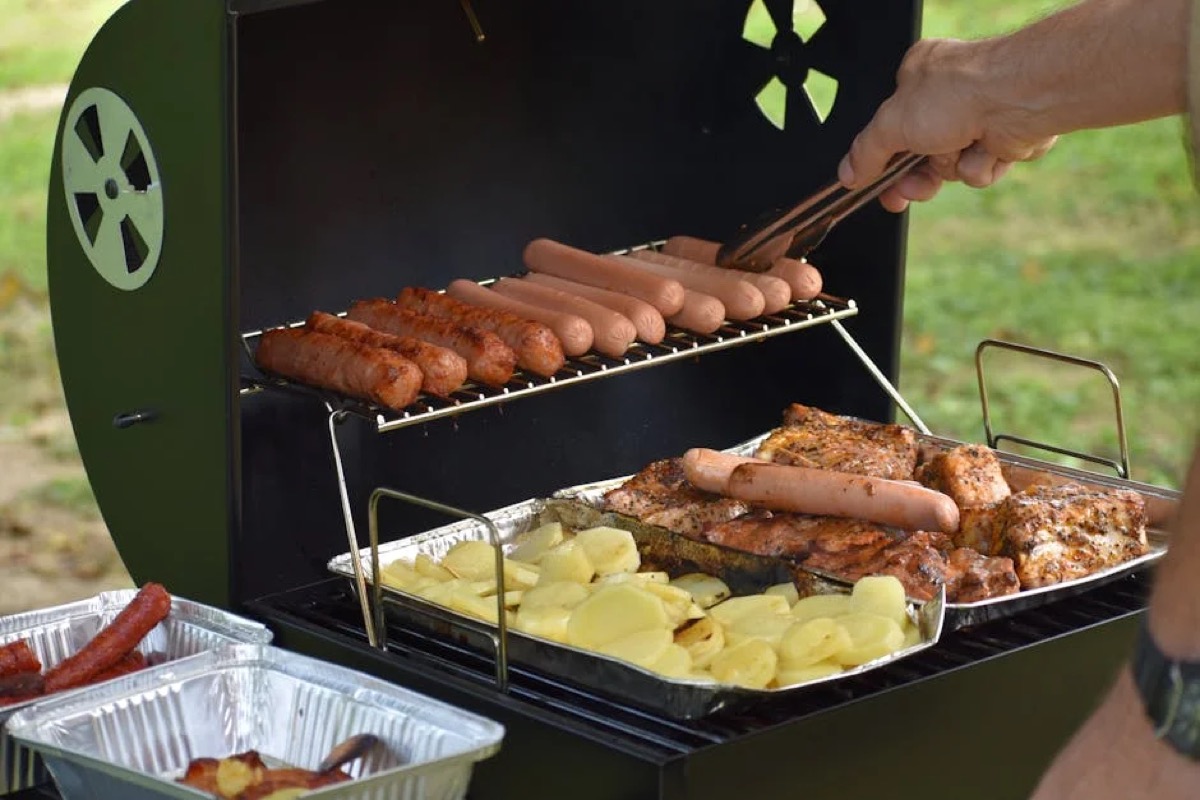
At 40 inches, this is a smoker for people who cook for crowds or want to run multiple proteins at once. A full packer brisket on the bottom rack, ribs in the middle, sausages up top , that’s a realistic cook for this unit. The 16-seat Saturday gathering that used to require two smokers can happen on one machine.
The vertical design means the lower racks sit closest to the burner, which does create some top-to-bottom temperature variation. Rotating racks mid-cook is standard practice for any vertical propane smoker and this one is no exception. That’s a minor operational habit, not a design flaw.
Check current price on Amazon.
Masterbuilt MPS 230S Propane Smoker, 30”
The Masterbuilt MPS 230S Propane Smoker is the right size for most backyard cooks who don’t regularly feed a crowd. Thirty inches gives you enough rack space for a full pork shoulder, a rack of ribs, and a few sausage links , a realistic Saturday cook for a family of four or a small gathering. It’s a more manageable unit to store and to heat up than a 40-inch cabinet.
Masterbuilt’s build quality at this tier is consistent with what the brand has earned its reputation on: a functional door seal, usable racks, and a burner that works without fuss. You’re not getting the ThermoTemp thermostat system here, so valve management is more hands-on. That means checking in on the cook more regularly, especially in variable weather.
Where the 230S lands in most people’s real experience is exactly where it should , a practical, honest propane cabinet that does the job without surprises. If you’ve never smoked before and want a propane unit to learn on, this is a sensible starting point.
Check current price on Amazon.
Propane Smoker with Cover, Vertical Meat Gas Smoker
The Propane Smoker with Cover, Vertical Meat Gas Smoker earns its spot here primarily because it ships with a cover , which sounds like a small thing until you’ve watched a budget smoker rust through its second winter. An included cover suggests the manufacturer thought about long-term use, and it’s a meaningful practical advantage over comparably-priced units that leave you sourcing a cover separately.
Three removable racks give you real flexibility in how you configure the cook. Whole chickens, racks of ribs standing upright in a rib rack, or a large roast on a single shelf , the configuration options are there. The vertical footprint is compact enough for a patio without much room to spare.
Temperature variation between the top and bottom racks is something any buyer of this style of smoker should anticipate. The burner is at the bottom, heat rises, and the middle rack tends to run closest to whatever the thermometer says. Use the thermometer position on the door as a reference, not gospel, and you’ll manage the cook without much difficulty.
Check current price on Amazon.
Pit Boss 3-Series Gas Vertical Smoker
The Pit Boss 3-Series Gas Vertical Smoker stands out in this list for one reason that has nothing to do with BTUs: the red hammertone finish. That’s a distinctive, durable powder coat that holds up to outdoor use better than standard painted finishes and makes the unit look like it was put together with some deliberate thought. Aesthetics shouldn’t drive a purchasing decision, but a smoker you’re proud to have on the patio is a smoker you’ll actually use.
Pit Boss has built a legitimate brand in the outdoor cooking space. The 3-Series sits at the entry level of their vertical gas lineup, which means it’s designed for buyers who want Pit Boss quality without the additional features of the upper tiers. What you get is a solid vertical propane cabinet with enough cooking surface for a typical family cook , ribs, a small pork shoulder, chicken parts , without overengineering the basics.
The honest limitation here is that entry-level designation. If you’re planning to smoke year-round, push the unit hard every weekend, or need precise temperature holding in cold weather, the 3-Series may show its constraints before long. For occasional weekend use by someone new to propane smoking, it’s a capable starting point from a brand that takes the category seriously.
Check current price on Amazon.
Buying Guide
Electric vs. Propane: The Honest Decision Framework
Most buyers approach this choice looking for a verdict. The honest answer is that the decision turns on two variables before everything else: whether your smoking location has reliable outdoor power, and whether you prefer set-it-and-check-occasionally or hands-on cook management.
Electric wins on ease. Propane wins on portability and heat ceiling. If you have a dedicated patio outlet and want the most forgiving learning experience, electric is the cleaner answer. If you’re setting up in a yard without convenient power or you want to smoke at higher temperatures, propane is the more capable tool.
How to Think About Cooking Capacity
Vertical propane smokers are sold by total cooking surface , square inches across all racks. That number is useful for comparison but needs context. A 700-square-inch smoker with four tight racks may give you less practical working space than a 600-square-inch smoker with three generously spaced ones. Look at the rack dimensions and the clearance between racks, not just the aggregate.
A realistic estimate: plan for 50, 75 square inches per pound of bone-in meat, accounting for the meat’s footprint on the rack. A full pork shoulder runs around 100, 120 square inches of rack space at its base. Two of them need a rack with real width. Know your typical cook before committing to a size.
Propane Tank Logistics
The tank will typically last three to six long cooks depending on the smoker’s BTU rating and how cold it is outside. Cold weather demands more fuel to maintain temperature.
Keep a spare tank on hand if you cook regularly. Running out of propane four hours into a brisket is an experience worth avoiding once. Most hardware stores and big-box retailers exchange tanks for a flat fee. The full ecosystem of propane smoker ownership includes that logistics rhythm , it’s a minor inconvenience once you build it into your routine.
Durability and Weather Exposure
Any smoker that lives outdoors will degrade faster than one stored under cover. The practical question is what accelerates that degradation most. For propane smokers, it’s moisture getting into the burner assembly and the regulator. A cover , whether included, like on the vertical model in this list, or purchased separately , is the single most effective thing you can do to extend the unit’s life.
Door seal quality matters for a second reason beyond heat retention: a degraded seal lets moisture into the cooking chamber between uses. Check the seal periodically and replace it if it’s compressing flat or cracking. This is a ten-dollar part on most vertical smokers and worth keeping on hand.
Matching the Smoker to Your Actual Cooking Frequency
Buy for how you actually cook, not how you intend to cook. A 40-inch cabinet is the right call for someone who regularly feeds eight to twelve people. For a family of four that smokes twice a month, a 30-inch unit is more practical , it heats up faster and wastes less propane during shorter cooks.
Frequency matters more than ambition. The smoker that fits a realistic Saturday cook is the one that gets used. The oversized unit that feels like too much effort for a Tuesday chicken goes back in the garage after six months.
Frequently Asked Questions
Is an electric smoker easier to use than a propane smoker for beginners?
Generally, yes. An electric smoker’s digital controller holds temperature automatically, which removes one of the main variables a new smoker has to manage. Propane requires more active monitoring , adjusting the valve based on ambient conditions and watching the temperature gauge more closely. For someone smoking their first brisket or pork shoulder, electric’s hands-off nature reduces the margin for error.
Can I use a propane smoker on an apartment balcony or covered patio?
Propane smokers are open-flame appliances and most municipalities, apartment complexes, and building codes prohibit their use on balconies or under covered structures. Even where it’s technically permitted, the combination of an open flame and an enclosed space creates real safety risk. Electric smokers are almost always the safer option for balconies or covered patios , check your local codes and building rules before purchasing either type.
How does the Masterbuilt 40-inch compare to the Masterbuilt MPS 230S for a family of four?
For a family of four cooking on weekends, the MPS 230S is the more practical choice. The 40-inch ThermoTemp’s 960 square inches of capacity is more than most families need for a typical cook, and a smaller cabinet heats up faster and uses less propane per session. The ThermoTemp’s analog temperature-control system is a genuine advantage, but for moderate-frequency family cooks, the 230S delivers what’s needed without the added size.
Does cold weather affect propane smoker performance?
Yes, meaningfully. Propane regulators can struggle to deliver consistent gas flow when ambient temperatures drop below freezing, and the smoker itself loses heat faster in cold conditions, requiring more fuel to maintain target temperature. Electric smokers face the same insulation challenge in cold weather but without the regulator issue. If you’re planning to smoke through winter, extra tank capacity and patience with temperature stabilization time are both worth factoring in.
What’s the difference between a propane smoker and a propane grill , can I smoke on my grill?
A propane smoker is designed around indirect, low-temperature cooking with wood chips or chunks for smoke flavor , the burner heats a water pan and wood chip tray rather than cooking food directly. A propane grill is built for direct high-heat cooking. You can smoke on many propane grills by setting up indirect zones and adding a smoker box, but temperature control is harder and the results are less consistent than a dedicated smoker. For serious smoking, a dedicated unit produces better and more repeatable results.
Where to Buy
Masterbuilt 40-inch ThermoTemp Propane Gas Vertical BBQ Smoker with Analog Temperature Control and 960 Cooking Square Inches in Black, Model MB20051316See Masterbuilt 40-inch ThermoTemp Propan… on Amazon